
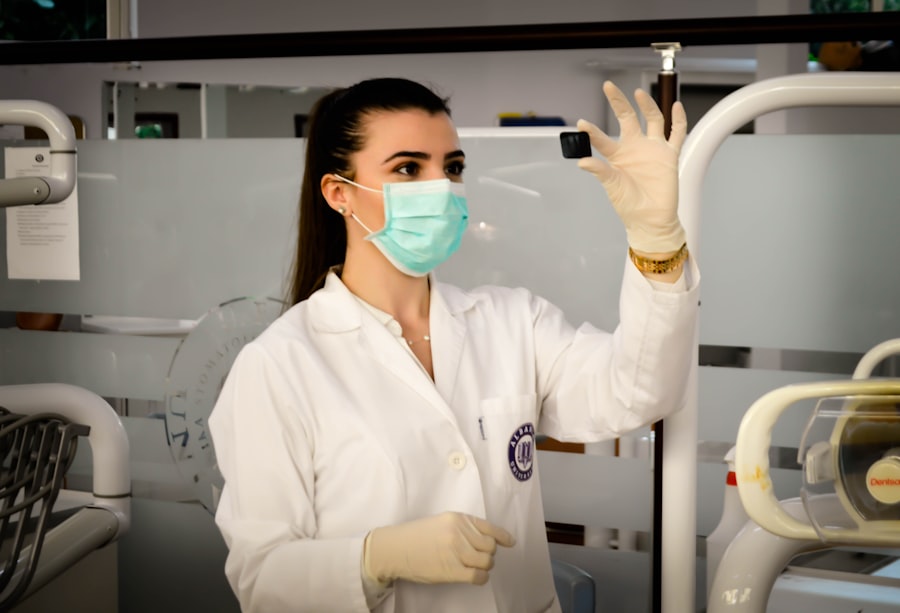
Educational Requirements for Nurse Practitioners
Overview of Nurse Practitioner Career Path

As the healthcare landscape evolves, Nurse Practitioners (NPs) are becoming essential players in delivering quality patient care. Their advanced training and versatile skill set allow them to contribute significantly across various healthcare settings.
What is a Nurse Practitioner?
A Nurse Practitioner is a registered nurse with advanced clinical training and education, often holding a master’s or doctoral degree in nursing. They are qualified to provide a range of healthcare services typically associated with physicians. What sets NPs apart is that they can diagnose and treat medical conditions, order and interpret diagnostic tests, and initiate treatment plans—often serving as a primary care provider.

Personal stories abound in the NP community. For instance, a family nurse practitioner may recall how they guided a young mother through her child’s first bout of asthma, demonstrating not just clinical acumen but the compassionate support that patients seek. This role requires both medical knowledge and the ability to forge lasting relationships, making an NP’s role unique and impactful.
Responsibilities and Scope of Practice
The responsibilities of a Nurse Practitioner are diverse, reflecting their multifaceted training. Below are some key responsibilities NPs typically manage:
- Patient Assessments: NPs conduct thorough assessments, including medical histories and physical examinations, to accurately diagnose conditions.
- Treatment Plans: They develop individualized treatment plans tailored to each patient’s needs, considering both physical and holistic health.
- Prescribing Medications: In many states, Nurse Practitioners have the authority to prescribe medications, providing a crucial bridge between patient need and healthcare access.
- Patient Education: NPs play an essential role in educating patients about their health conditions and treatment options, empowering them to make informed decisions.
- Collaboration: They often work in teams with other healthcare professionals, ensuring comprehensive and coordinated care.
The scope of practice for Nurse Practitioners varies by state and is influenced by state-specific regulations. In some states, NPs can practice independently, while in others, supervisory or collaborative agreements with physicians may be required. This variability highlights the importance of understanding local laws and regulations as one ventures down the NP career path.
As healthcare demands grow, NPs are increasingly recognized for their ability to deliver high-quality care efficiently. Whether in primary care, specialty practice, or urgent care settings, the role of a Nurse Practitioner allows them to meet patients where they are—ensuring better access and continuity of care.
In conclusion, Nurse Practitioners are vital healthcare providers, blending expert knowledge with personalized patient care. They hold a wealth of responsibility, and their contributions are vital in shaping the future of the healthcare system.

Educational Requirements for Nurse Practitioners
Building on the foundational knowledge of Nurse Practitioners, the educational journey leading to this rewarding career is both rigorous and comprehensive. It requires a solid commitment to learning and a passion for patient care.
Bachelor’s Degree in Nursing
The first step in the journey to becoming a Nurse Practitioner is obtaining a Bachelor’s Degree in Nursing (BSN). This four-year program provides aspiring nurses with a blend of classroom instruction and hands-on clinical experience.
Key components of a BSN program usually include:
- Fundamental Nursing Courses: Students learn the essentials of nursing care, including anatomy, pharmacology, and nursing ethics.
- Clinical Rotations: These experiences allow students to apply their knowledge in various healthcare settings, working with real patients and healthcare teams.
- Critical Thinking and Communication: Nurturing these soft skills is just as important as clinical knowledge, helping future NPs interact effectively with both patients and colleagues.
Many students enter nursing with a passion for helping others, and this journey is often filled with memorable experiences. For example, a nursing student might share how they comforted a frightened child before a procedure, realizing the profound impact nurses have on patient experiences. This early realization often motivates students to pursue advanced education and training.
Master’s Degree in Nursing Practice
Once they earn a BSN, aspiring Nurse Practitioners must pursue a Master’s Degree in Nursing Practice (MSN), which typically takes an additional two years to complete. This advanced degree is crucial for gaining the specialized knowledge and clinical skills required to effectively serve as an NP.
A typical MSN program includes:
- Advanced Clinical Topics: Students delve deeper into areas like pathophysiology, advanced pharmacology, and health assessment.
- Specialty Courses: Depending on their chosen focus, students may explore topics such as pediatrics, geriatrics, or mental health.
- Clinical Practice Hours: MSN programs also require a significant number of supervised clinical hours, where students practice under the guidance of experienced NPs or physicians.
Ultimately, earning an MSN is a transformative experience. Alumni often reflect on their capstone project, where they might have developed a community health initiative that tackles a pressing local healthcare issue. Such projects highlight the role of NPs not just as providers but also as advocates for public health.
In conclusion, the path to becoming a Nurse Practitioner is both demanding and rewarding. The educational journey, beginning with a Bachelor’s Degree in Nursing and culminating in a Master’s Degree in Nursing Practice, equips future NPs with the essential knowledge, skills, and experiences needed to excel in their roles. These educational milestones pave the way for a fulfilling career that makes a real difference in the lives of countless patients.

Specializations in Nurse Practitioner Field
With a strong educational foundation established through a Bachelor’s and Master’s Degree in Nursing, aspiring Nurse Practitioners have the opportunity to explore a variety of specializations within the field. Each specialization allows NPs to focus on specific areas of patient care, catering to diverse healthcare needs.
Family Nurse Practitioner (FNP)
One of the most popular specializations is that of the Family Nurse Practitioner (FNP). FNPs are trained to provide comprehensive care to individuals of all ages, from newborns to the elderly. They often act as primary care providers, managing a wide spectrum of health concerns.
Key responsibilities of an FNP may include:
- Health Assessments: FNPs conduct thorough health evaluations and develop personalized care plans.
- Preventive Care: They provide education on disease prevention, health promotion, and lifestyle modifications.
- Chronic Disease Management: FNPs work with patients to manage chronic conditions such as diabetes, hypertension, and asthma.
A touching anecdote often shared by FNPs involves developing long-term relationships with families. For example, an FNP might have helped a mother through her pregnancy, provided care for her child over the years, and eventually managed the mother’s health concerns as she aged. This continuity of care fosters trust and allows for more effective health interventions.
Psychiatric-Mental Health Nurse Practitioner (PMHNP)
Another essential specialization is the Psychiatric-Mental Health Nurse Practitioner (PMHNP). With increasing awareness of mental health issues, PMHNPs play a crucial role in providing holistic care to patients struggling with mental illness.
The core functions of a PMHNP include:
- Assessment and Diagnosis: PMHNPs diagnose mental health conditions through detailed psychiatric evaluations.
- Therapeutic Interventions: They provide psychotherapy, recommend lifestyle changes, and develop treatment plans tailored to individual needs.
- Medication Management: Just like their FNP counterparts, PMHNPs can prescribe medications, ensuring patients receive comprehensive treatment.
Many PMHNPs share stories of transforming lives through mental health care. For instance, a PMHNP might recount a case where they worked with a patient grappling with anxiety and depression. Through careful assessment, therapy, and proper medication management, the patient was able to reclaim their passion for life, illustrating the profound impact of mental health care.
In conclusion, the field of Nurse Practitioners offers diverse specializations that cater to various patient needs. Whether focusing on family health or mental wellness, NPs contribute significantly to enhancing the quality of care in their communities. Each specialization not only enriches the NP’s career but also allows them to make a meaningful difference in the lives of their patients.

Licensing and Certification Process
Having explored the various specializations available for Nurse Practitioners, it is crucial to understand the essential steps required to become fully licensed and certified in this rewarding profession. The path to becoming a Nurse Practitioner includes navigating the licensing and certification process effectively.
Passing the NCLEX-RN Exam
The journey begins with the National Council Licensure Examination for Registered Nurses (NCLEX-RN). This exam is a crucial milestone for anyone wishing to practice as a registered nurse before advancing to the nurse practitioner role.
Key aspects of the NCLEX-RN include:
- Eligibility: To be eligible to take this exam, candidates must have completed an accredited nursing program, whether it be an associate degree or a bachelor’s degree.
- Exam Format: The NCLEX-RN consists of a computer-adaptive test format that adjusts question difficulty based on the test taker’s performance. Candidates can expect a mix of multiple-choice questions, fill-in-the-blank, and hot spot questions.
- Preparation: Many nursing graduates describe the preparation for NCLEX-RN as both intense and rewarding. Study resources such as review books, practice exams, and online courses can help solidify the necessary knowledge.
A personal anecdote that resonates with nursing graduates is the relief and joy experienced upon passing this challenging credentialing exam. Many recall the moment they received their passing scores as a time of celebration, marking their entrance into the nursing profession.
Obtaining Nurse Practitioner Certification
Once candidates pass the NCLEX-RN, the next step is obtaining Nurse Practitioner certification. This certification allows nurses to specialize in their chosen field, be it Family Nurse Practitioner (FNP), Psychiatric-Mental Health Nurse Practitioner (PMHNP), or others.
The process includes:
- Choosing a Certification Board: Aspiring NPs can choose from several certifying organizations, such as the American Nurses Credentialing Center (ANCC) or the American Academy of Nurse Practitioners Certification Board (AANPCB).
- Meeting Requirement Specifications: Candidates must meet specific requirements set by the certification organization, including completing an accredited MSN program and accumulating clinically supervised practice hours.
- Taking the Certification Exam: Each NP specialty has its exam, typically consisting of multiple-choice questions that assess clinical knowledge and decision-making skills.
A nurse who has recently completed their certification might recount the exhilarating yet nerve-wracking experience of sitting for the certification exam. It’s not uncommon for candidates to form study groups or find support systems among peers who share the same goal, fostering camaraderie along this challenging path.
In summary, the licensing and certification process plays a crucial role in a Nurse Practitioner’s career. From passing the NCLEX-RN, which lays the groundwork for nursing practice, to obtaining NP certification specific to their specialization, these steps ensure that NPs are well-equipped to deliver high-quality care to their patients. Each step along the way shapes their professional identity and commitment to excellence in healthcare.

Job Outlook and Salary Information for Nurse Practitioners
Having explored the journey to become a Nurse Practitioner, it’s essential to consider the career outlook and financial rewards that await NPs in this dynamic profession. With healthcare demand on the rise, understanding the job market can be both inspiring and motivating for aspiring NPs.
Average Nurse Practitioner Salary
The financial aspect of a Nurse Practitioner career is one of the most appealing features. According to recent data, the average salary for a Nurse Practitioner in the United States hovers around $115,000 per year. However, this figure can vary widely based on several factors:
- Geographical Location: NPs working in urban settings or states with higher living costs tend to earn more. For instance, a Nurse Practitioner in California may earn upwards of $130,000, while those in rural areas might see salaries closer to $100,000.
- Specialization: The field of specialization plays a significant role in salary variations. For example, those working as Acute Care Nurse Practitioners often earn more than their counterparts in Family Practice due to the intensity and complexity of care provided.
- Experience Level: As with many professions, experience does count. Entry-level NPs might start around $95,000, while seasoned practitioners with several years in the field can earn upward of $150,000, especially in high-demand specialties.
A Nurse Practitioner who has recently transitioned into the field often shares their excitement about discovering their salary was on par or even higher than they anticipated, considering the substantial impact they have on patient care.
Growth Opportunities in the Field
The job outlook for Nurse Practitioners is nothing short of extraordinary. According to the U.S. Bureau of Labor Statistics, employment of Nurse Practitioners is projected to grow by 45% from 2020 to 2030, a much faster rate than the average for all occupations. This growth is fueled by several factors:
- Aging Population: As the baby boomer generation ages, there is an increasing demand for healthcare services. NPs can play a pivotal role in addressing the needs of this demographic.
- Healthcare Access Initiatives: Many initiatives aim to increase access to healthcare, especially in underserved areas. Nurse Practitioners often fill the gaps, particularly in primary care settings.
- Greater Independence: In many states, NPs enjoy increasing independence in their practice, allowing them to create their own clinics or work in collaboration with other healthcare professionals, thereby increasing job opportunities.
Aspiring Nurse Practitioners often find inspiration in success stories of peers who have launched their practices or taken on leadership roles in healthcare organizations. These narratives spotlight the vibrant career paths that await NPs beyond traditional roles.
In conclusion, the future for Nurse Practitioners looks bright. With competitive salaries and robust growth opportunities, it is an exciting time to enter this fulfilling profession. For those passionate about patient care and looking to make a meaningful impact, the Nurse Practitioner career path offers not only stability but a variety of enriching experiences that shape the future of healthcare.
Thank you for taking the time to read our latest blog post on EliteCare.net We hope you found the information valuable and insightful. Your health and well-being are our top priorities, and we strive to provide you with the best advice and resources.