

Introduction to Nurse Anesthetists (CRNAs)
Overview of CRNA Profession
Certified Registered Nurse Anesthetists (CRNAs) are advanced practice registered nurses with specialized education and training in anesthesia. They play a crucial role in the operating room, delivering anesthesia and monitoring patients throughout surgical procedures. CRNAs hold a master’s or doctorate degree in nurse anesthesia, and they are equipped with extensive skills necessary for providing safe and effective anesthesia care. These professionals often work independently, managing anesthesia care in various settings, including hospitals, surgical clinics, and pain management facilities. Their expertise not only encompasses administering anesthesia but also involves assessing patient medical histories, developing individualized anesthesia plans, and providing post-anesthesia care.
Importance of CRNAs in Healthcare

The significance of CRNAs within the healthcare system cannot be overstated. They contribute to improving patient outcomes, enhancing the efficiency of surgical teams, and promoting cost-effective care. CRNAs are known for their ability to adapt to diverse clinical environments, ensuring that patients receive personalized and high-quality anesthesia care. They also serve as educators and leaders in their field, advocating for best practices in anesthesia administration and patient safety. As healthcare continues to evolve, CRNAs remain essential providers, bridging gaps in access to anesthesia services—particularly in rural and underserved areas. Their proficiency in managing anesthesia needs positions them as invaluable assets to both current healthcare practices and future innovations in patient care.

Educational Requirements for Becoming a CRNA
Bachelor’s Degree in Nursing
To embark on the journey to become a Certified Registered Nurse Anesthetist (CRNA), one must first obtain a Bachelor of Science in Nursing (BSN) or an equivalent degree. This foundational education provides prospective CRNAs with essential nursing skills and knowledge, encompassing nursing theory, patient care, and clinical practice. In addition to attaining the degree, aspiring CRNAs must also become licensed registered nurses (RNs) by passing the NCLEX-RN examination. This step is crucial, as it establishes a baseline level of competency necessary for the advanced training to follow.
Master’s or Doctoral Program in Nurse Anesthesia

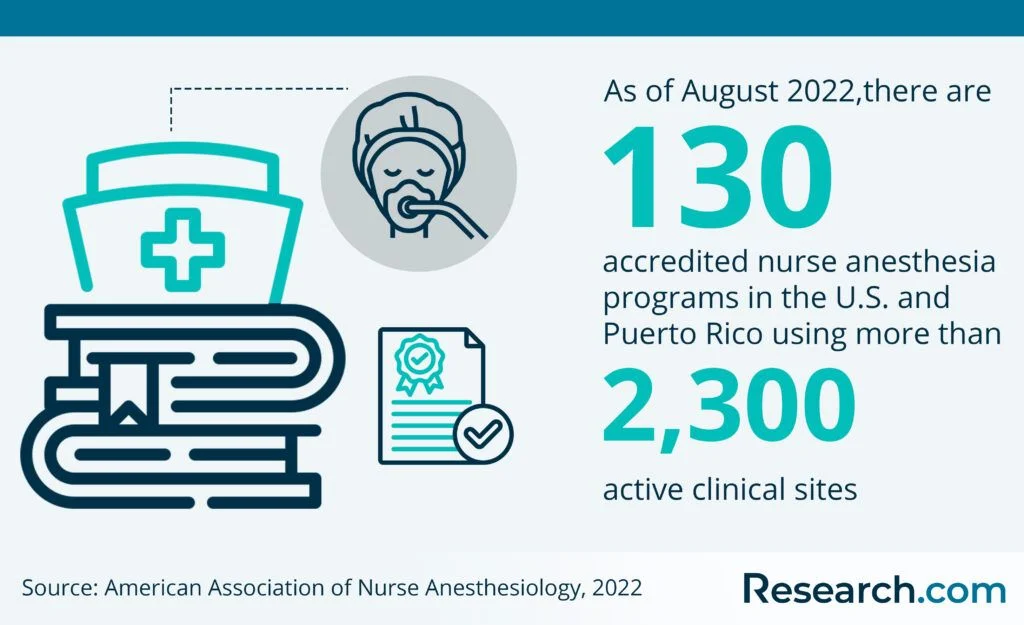
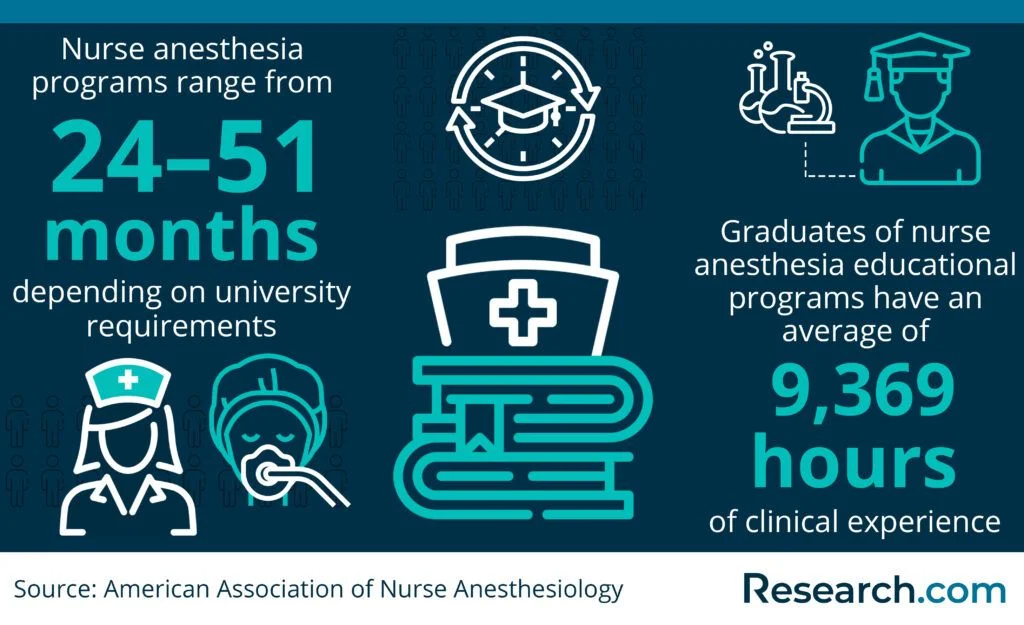
Once the BSN is secured and RN licensure is achieved, the next step is to enroll in a Master’s or Doctoral degree program in nurse anesthesia. These programs are rigorous and typically require at least one year of clinical experience in an acute care setting, such as an intensive care unit (ICU) or emergency department. The curriculum covers various aspects of anesthesia, pharmacology, human anatomy, and physiology. Students engage in extensive clinical practice, where they gain hands-on experience in administering anesthesia under the supervision of experienced practitioners. Upon completion of the program, graduates must pass the National Certification Examination to officially become CRNAs. This demanding educational pathway ensures that CRNAs are well-equipped to deliver safe and effective anesthesia care in diverse healthcare environments.
Certification and Licensing Process for CRNAs
National Board Certification Examination
Following the successful completion of a Master’s or Doctoral degree program in nurse anesthesia, graduates must take the National Certification Examination (NCE). This examination is administered by the National Board of Certification and Recertification for Nurse Anesthetists (NBCRNA). The NCE is a computer-based test that assesses the candidate’s knowledge and understanding of anesthesia practices, including pharmacology, physiology, and the management of anesthesia-related complications. A thorough preparation is essential, as passing this examination is a pivotal step in obtaining the necessary certification to practice as a CRNA.
State Licensing Requirements
Once the NCE is passed, the next step involves applying for state licensure to legally practice as a Certified Registered Nurse Anesthetist. Each state has its specific licensing requirements, which typically include submitting proof of education, examination results, and potentially other documentation. Some states may require CRNAs to obtain additional certifications or fulfill continuing education requirements to maintain their licenses. Understanding these state-specific regulations is crucial for ensuring compliance and smooth navigation through the licensing process. After receiving state licensure, CRNAs can begin their professional careers, contributing to the safety and effectiveness of anesthesia care across various healthcare settings, solidifying their essential role in patient management during surgical procedures.

Job Responsibilities of a Nurse Anesthetist
Administering Anesthesia
One of the primary responsibilities of a Certified Registered Nurse Anesthetist (CRNA) is the administration of anesthesia to patients undergoing surgical procedures. This crucial role involves assessing the patient’s medical history and current health status to select the appropriate anesthetic agents and techniques. CRNAs are trained to administer all types of anesthesia, including general, regional, and local anesthesia. They ensure that the dosage and method of delivery are tailored to the specific needs of each patient, thereby optimizing both safety and effectiveness.
Monitoring Patient Vital Signs During Surgery
In addition to administering anesthesia, CRNAs are responsible for closely monitoring patients throughout the surgical process. This includes keeping a vigilant watch on the patient’s vital signs, such as heart rate, blood pressure, and respiratory function. By constantly assessing these indicators, CRNAs can detect any adverse reactions to anesthesia early on and take appropriate action to mitigate risks. Their expertise in critical thinking and advanced assessment enables them to respond to emergencies swiftly, ensuring patient safety is prioritized. Furthermore, post-anesthesia care follows, where CRNAs evaluate patients as they recover, managing any pain or side effects effectively. Through these comprehensive responsibilities, CRNAs play an integral role in the anesthesia care team and significantly contribute to the overall quality of healthcare delivery.
Salary and Benefits for CRNAs
Average Salary of Nurse Anesthetists
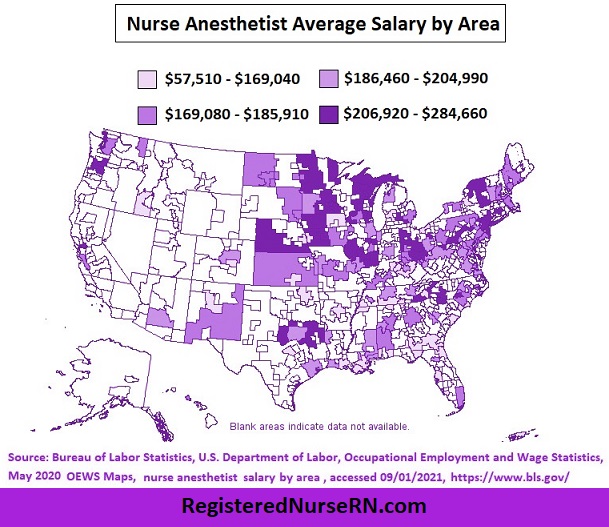
The average salary of a Certified Registered Nurse Anesthetist (CRNA) tends to be quite competitive compared to other nursing roles. As of recent data, CRNAs can expect to earn an annual salary ranging from $150,000 to $200,000, influenced by factors such as geographic location, years of experience, and the specific healthcare facility they work in. In high-demand areas or metropolitan regions, salaries may surpass the national average, reflecting the critical demand for these skilled professionals. Additionally, many CRNAs find that compensation packages often include bonuses and overtime pay, further enhancing their overall earnings.
Benefits Packages Offered to CRNAs
In addition to lucrative salaries, CRNAs typically receive attractive benefits packages that can significantly impact job satisfaction. These packages often include health, dental, and vision insurance, which ensures comprehensive care for CRNAs and their families. Retirement plans, such as 401(k) options with employer matching, further enhance financial security. Many employers also provide allowances for continuing education, recognizing the importance of professional development in anesthesia practice. Paid time off (PTO) and sick leave are commonly offered, allowing CRNAs to recharge without financial burdens. Collectively, these benefits contribute to a fulfilling and supportive work environment, essential for retaining top talent in the anesthesia field.
Career Opportunities and Growth Prospects for CRNAs
Work Settings for CRNAs
Certified Registered Nurse Anesthetists (CRNAs) enjoy a diverse array of work settings that highlight their expertise and adaptability. CRNAs can be found in various healthcare environments, including hospitals, outpatient surgical centers, and specialty clinics. They often work in surgical suites, labor and delivery rooms, and pain management facilities, showcasing their critical role in patient care. Given the highly skilled nature of their work, CRNAs frequently collaborate with anesthesiologists, surgeons, and other healthcare professionals, contributing to a holistic approach to patient treatment.
Opportunities for Advancement in Nurse Anesthesia Field
The field of nurse anesthesia presents numerous opportunities for career advancement and specialization. With the demand for CRNAs projected to grow, these professionals may find expanded roles available to them. Advanced practice roles, such as becoming a clinical instructor or entering into leadership positions, pave the way for CRNAs to further their influence within the healthcare industry. Pursuing additional certifications in specialized anesthesia practices, such as pediatric or cardiovascular anesthesia, can also enhance their credentials and marketability. Furthermore, joining professional organizations can provide networking opportunities and access to continued education, ensuring CRNAs remain at the forefront of anesthesiology practices. Overall, the prospects for CRNAs within the healthcare landscape are robust and continually evolving, offering promising career pathways for those passionate about the field.
Continuing Education and Professional Development for CRNAs
Importance of Continuing Education
For Certified Registered Nurse Anesthetists (CRNAs), continuing education is essential to staying current with the advancements in anesthesiology practices. As the field evolves with new technologies and methodologies, ongoing education ensures that CRNAs maintain their competency and provide the highest level of patient care. Many states require CRNAs to accumulate a certain number of continuing education credits to renew their licenses, which underscores the importance of lifelong learning. By engaging in workshops, seminars, and online courses, CRNAs can deepen their knowledge and skills, ensuring they remain competitive in the dynamic healthcare landscape.
Professional Organizations for CRNAs
Joining professional organizations offers CRNAs valuable resources for growth and development. Organizations such as the American Association of Nurse Anesthetists (AANA) provide members with access to various educational materials, regulatory updates, and networking opportunities. These associations often host annual conferences, webinars, and specialized training sessions that empower CRNAs to enhance their expertise. Additionally, nurturing professional relationships through these organizations can lead to mentorship opportunities, fostering a supportive community that encourages collaboration and best practice sharing. Overall, participation in professional organizations significantly contributes to a CRNA’s career advancement and ensures they remain informed about industry trends and practices.
Future Outlook for Nurse Anesthetists in 2024
Predictions for Job Market
As the healthcare landscape continues to evolve, the demand for Certified Registered Nurse Anesthetists (CRNAs) is expected to grow significantly in 2024. According to industry forecasts, the expanding scope of nurse anesthetists’ practice, along with a rising population base and an increasing number of surgical procedures, will contribute to a robust job market for CRNAs. Additionally, many healthcare facilities are recognizing the cost-effectiveness and high level of care provided by CRNAs, further solidifying their essential role in anesthesia services.
Trends Impacting CRNA Profession
Several trends will shape the CRNA profession in the coming year. One notable trend is the integration of advanced technologies into anesthesiology practices. Telehealth and remote monitoring capabilities are increasingly utilized, allowing CRNAs to manage anesthesia care more effectively. Furthermore, the shift towards team-based care and interdisciplinary collaborations will enhance CRNAs’ roles in patient management during surgical procedures.
Additionally, the growing emphasis on patient-centered care will compel CRNAs to hone their communication and interpersonal skills, ensuring they provide a holistic approach to patient treatment. Continuous improvement in educational programs aimed at developing these competencies will be pivotal to the preparation of future CRNAs. In summary, the outlook for nurse anesthetists in 2024 appears promising, with expanding opportunities driven by evolving healthcare needs and innovative practices.
Thank you for taking the time to read our latest blog post on EliteCare.net We hope you found the information valuable and insightful. Your health and well-being are our top priorities, and we strive to provide you with the best advice and resources.