
Introduction
Definition of a Registered Nurse
A Registered Nurse (RN) plays a vital role in the healthcare system, serving as a bridge between patients and their medical needs. They are licensed professionals who provide care, educate patients about various health conditions, and support doctors in their duties.
RNs work in a variety of settings, striving to improve patient outcomes through:
- Patient Assessment: Evaluating patients’ health status and needs.
- Care Planning: Developing tailored care plans to address individual needs.
- Education: Informing patients and families about treatment options and medication.

With their expertise and dedication, registered nurses significantly impact patient lives and overall healthcare efficiency.

Education and Training Requirements
Academic Pathways
To embark on a career as a Registered Nurse, one must first complete a rigorous educational pathway. There are several routes to achieve this goal, including:
- Associate Degree in Nursing (ADN): A two-year program often offered at community colleges, ideal for those looking to enter the field quickly.
- Bachelor of Science in Nursing (BSN): A four-year degree providing a comprehensive nursing education, including leadership and public health aspects.
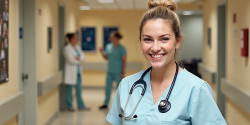
Choosing the right academic pathway can affect career prospects and specializations later on.
Practical Training
Alongside academic studies, practical training is crucial in shaping proficient nurses. Clinical experiences offer hands-on learning through:
- Internships and Clinical Rotations: Exposure to various healthcare settings, such as hospitals, clinics, and long-term care facilities.
- Simulation Labs: These labs provide a safe environment for students to practice skills before interacting with real patients.
By combining these educational routes with practical experience, aspiring nurses build a strong foundation for a successful career in healthcare.
Licensure and Certification Process
NCLEX Examination
After completing the educational and practical training components, the next step for aspiring Registered Nurses is to pass the NCLEX (National Council Licensure Examination). This standardized exam is designed to test candidates on their nursing knowledge and critical thinking skills. Success on the NCLEX ensures that they are prepared to provide safe and effective nursing care.
Key points about the NCLEX include:
- Format: Computer-based with a mix of multiple-choice and alternative question types.
- Content Areas: Focuses on safety, health promotion, and patient care management.
State Licensing Requirements
Once candidates successfully pass the NCLEX, they must also meet specific state licensing requirements, which may vary by state.
Common requirements often include:
- Background Checks: Ensuring candidates do not have any disqualifying criminal history.
- Application Fees: A monetary requirement to process the application for licensure.
These steps are critical, as obtaining a state license solidifies your ability to practice as a Registered Nurse legally, paving the way for a rewarding career in healthcare.

Skills and Qualities
Clinical Skills
As a Registered Nurse, having strong clinical skills is essential for providing effective patient care. These competencies encompass a wide range of abilities, including:
- Patient Assessment: Accurately evaluating patient conditions through vital signs and health histories.
- Medication Administration: Safely managing and delivering medications based on patients’ needs.
- Wound Care: Providing appropriate treatment and monitoring for various types of wounds.
Mastering these clinical skills not only ensures patient safety but also fosters trust between nurses and their patients.
Compassion and Empathy
Equally important are the soft skills of compassion and empathy that set excellent nurses apart. Caring for patients often involves understanding their emotional and physical struggles.
- Active Listening: Paying close attention to patients’ concerns.
- Supportive Communication: Offering comfort and assurance, especially in stressful situations.
These qualities are crucial in establishing a therapeutic nurse-patient relationship and can make a significant difference in patients’ healing journeys. For example, a kind word or gentle demeanor can alleviate anxiety and facilitate a more positive experience for those in care.

Job Opportunities
Various Work Settings
Once equipped with the necessary skills and qualifications, Registered Nurses have a wealth of job opportunities available to them across diverse work settings. Some common environments where RNs can thrive include:
- Hospitals: Providing 24/7 care in various departments such as critical care, emergency, and maternity.
- Clinics and Private Practices: Offering outpatient care focused on preventive health and routine check-ups.
- Long-Term Care Facilities: Assisting patients with chronic conditions in nursing homes or rehabilitation centers.
Each setting presents unique challenges and rewards, allowing RNs to choose a path that suits their interests.
Specializations in Nursing
In addition to diverse work settings, Registered Nurses can explore various specializations tailored to their passions and career goals. Options include:
- Pediatric Nursing: Caring for infants, children, and adolescents.
- Oncology Nursing: Focusing on patients with cancer and providing specialized care and support.
- Geriatric Nursing: Working with elderly patients to enhance their quality of life.
These specializations not only enhance their skills but also adapt to their individual interests, making a career in nursing both fulfilling and dynamic. Each specialized area allows nurses to make a profound impact in specific patient populations, amplifying their contributions to healthcare.

Continuing Education
Importance of Continuing Education
In the ever-evolving field of healthcare, continuing education is vital for Registered Nurses to keep their knowledge and skills up-to-date. This ongoing learning ensures that they remain competent and confident in delivering patient care. Not only does it promote professional growth, but it also enhances patient safety and health outcomes.
Benefits of continuing education include:
- Staying Current: Learning about new treatments, technologies, and best practices.
- Networking Opportunities: Connecting with other healthcare professionals to share insights and experiences.
Options for Advancement
For those looking to further their careers, numerous options for advancement are available through continuing education. Registered Nurses can explore:
- Certification Programs: Specializing in areas like critical care or wound care management.
- Advanced Degrees: Pursuing a Master’s in Nursing (MSN) or Doctor of Nursing Practice (DNP) for leadership roles.
Each of these pathways not only fosters personal development but also opens doors to more diverse and rewarding positions within healthcare. Embracing lifelong learning allows nurses to elevate their practice and make meaningful contributions to the profession.
Benefits of Joining Associations
Benefits
Joining a professional association can be a game-changer for Registered Nurses, offering a wealth of resources and support. These organizations provide members with:
- Networking Opportunities: Connect with fellow professionals, share experiences, and build relationships that can lead to job opportunities.
- Access to Resources: Gain insights from journals, research reports, and newsletters that keep them informed about industry trends.
For instance, my own experience with a nursing association led to mentorship opportunities that significantly advanced my career.
Membership Requirements
Each professional association may have specific membership requirements, typically including:
- Licensure Verification: Proof of current RN licensure in good standing.
- Dues Payment: Annual fees that fund the association’s initiatives and resources.
Additionally, many associations offer different membership levels, such as student memberships for those currently enrolled in nursing programs. By engaging with these associations, nurses not only enhance their careers but contribute to the strength and advancement of the nursing profession as a whole.

Technological Proficiency
Use of Healthcare Technology
In today’s healthcare landscape, technological proficiency is essential for Registered Nurses. With the rapid advancements in healthcare technology, RNs must adapt to harness these tools effectively. This includes familiarity with various devices and systems, such as:
- Patient Monitoring Equipment: Utilizing machines to track vital signs and alert healthcare providers to changes in patient condition.
- Telehealth Platforms: Supporting remote patient interactions, especially as more healthcare services transition online.
In my experience, mastering these technologies not only enhances patient care but also improves efficiency in daily tasks.
Electronic Health Records
One of the most significant technological advancements in nursing is the transition to Electronic Health Records (EHR). EHR systems streamline patient documentation, making it easier for RNs to:
- Access Patient Information: Quickly retrieve medical histories, medications, and treatment plans.
- Document Care: Input data in real-time, ensuring up-to-date records for all healthcare providers involved.
By becoming proficient in EHRs, nurses can enhance collaboration, reduce errors, and ultimately deliver higher-quality patient care. Embracing these technological tools not only modernizes nursing practice but also empowers nurses to be at the forefront of healthcare innovation.

Legal and Ethical Responsibilities
Patient Confidentiality
As healthcare professionals, Registered Nurses have a fundamental duty to maintain patient confidentiality. This legal and ethical responsibility ensures that sensitive information remains protected, fostering trust between patients and their caregivers. RNs must be vigilant in:
- Understanding HIPAA Regulations: Familiarizing themselves with the Health Insurance Portability and Accountability Act, which governs the sharing of health information.
- Implementing Secure Practices: Using secure systems and protocols for storing and sharing patient records.
In my own practice, I witnessed how a patient’s trust was strengthened when they felt assured that their information was safeguarded.
Ethical Decision Making
In addition to confidentiality, RNs are often faced with complex ethical decisions that impact patient care. Navigating these dilemmas requires critical thinking and a strong ethical framework. Key aspects of ethical decision-making include:
- Respect for Autonomy: Acknowledging patients’ rights to make informed choices about their treatment.
- Beneficence and Nonmaleficence: Striving to provide benefit while minimizing harm to patients.
By actively engaging in ethical decision-making, nurses can advocate for their patients’ best interests, ensuring compassionate and just care. This commitment not only enhances patient outcomes but also uplifts the professional integrity of nursing as a whole.
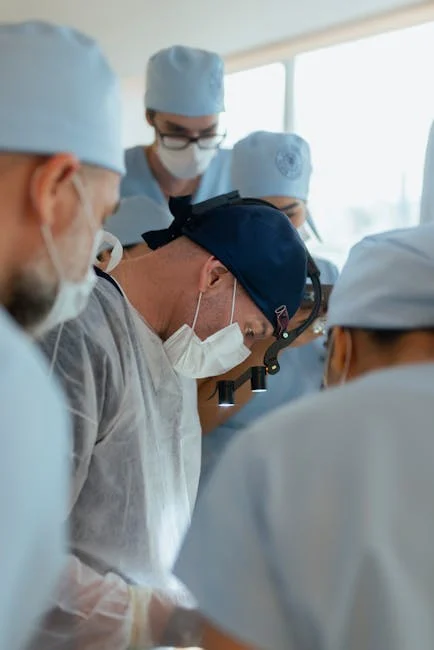
Teamwork and Collaboration
Interdisciplinary Communication
Effective teamwork and collaboration are essential in nursing, particularly when it comes to interdisciplinary communication. As Registered Nurses, clear communication with various healthcare professionals ensures comprehensive patient care. Key elements include:
- Regular Team Meetings: Discussing patient progress and care plans to maintain a unified approach.
- Utilizing Technology: Implementing communication tools, such as shared electronic health records, facilitates information exchange.
In my experience, open channels of communication lead to fewer errors and better patient outcomes, enhancing the entire care process.
Working with Healthcare Professionals
Collaboration extends beyond just communicating; it involves actively working alongside a diverse team of healthcare professionals, such as doctors, pharmacists, and social workers. Nurses can enrich this collaboration by:
- Engaging in Joint Problem Solving: Bringing unique insights to treatment plans by considering all aspects of a patient’s care.
- Respecting Diverse Expertise: Acknowledging the specialized knowledge of team members contributes to more effective and holistic patient care.
As a result, fostering strong teamwork not only improves the quality of care but also creates a supportive work environment – one where everyone feels valued and empowered to contribute their best to patient outcomes.

Physical and Emotional Resilience
Handling Stress
In the demanding field of nursing, developing physical and emotional resilience is essential for long-term success and personal well-being. Handling stress effectively can be achieved through a variety of strategies, such as:
- Time Management: Prioritizing tasks to avoid feeling overwhelmed during busy shifts.
- Mindfulness Practices: Engaging in meditation or deep-breathing exercises to stay present and relieve tension.
During particularly chaotic shifts, I found that taking a few moments to breathe deeply significantly reduced my stress and helped me refocus on patient care.
Self-Care Techniques
Equally important is the practice of self-care, which directly impacts resilience. Incorporating self-care techniques can enhance overall well-being and prevent burnout:
- Physical Activity: Regular exercise improves mood and boosts energy levels.
- Healthy Nutrition: Eating balanced meals provides the stamina needed to face daily challenges.
Additionally, establishing a support system-whether through friends, family, or professional colleagues – can provide emotional backing during tough times. By prioritizing self-care and resilience, nurses can maintain their passion for caring for others while ensuring their health remains a priority.
Cultural Competence
Diversity in Patient Population
In today’s healthcare environment, cultural competence is crucial for Registered Nurses, as they encounter a diverse patient population. Understanding the varying backgrounds, beliefs, and values of patients allows nurses to provide effective and respectful care. Key aspects to consider include:
- Language Differences: Being mindful of language barriers and utilizing interpreters when necessary.
- Cultural Beliefs and Practices: Recognizing how cultural norms can influence health beliefs and behaviors.
From my experience, taking the time to understand a patient’s cultural background helps foster trust and improves patient outcomes significantly.
Providing Culturally Sensitive Care
To offer culturally sensitive care, nurses must approach each patient with an open mind and adaptable practices. This involves:
- Tailoring Communication Styles: Modifying verbal and nonverbal communication based on the patient’s comfort level.
- Incorporating Cultural Practices: Respecting and including traditional healing methods when appropriate and acceptable.
By prioritizing cultural competence, nurses not only enhance their effectiveness but also create an inclusive environment where diverse patients feel valued and understood. This holistic approach ultimately leads to improved health outcomes and enriched nursing practice.
Research Skills
Evidence-Based Practice
Research skills play a vital role in the nursing profession, enabling Registered Nurses to implement evidence-based practice (EBP). EBP involves integrating clinical experience with the best available research and patient values to make informed decisions about care. Key components include:
- Critical Appraisal: Evaluating research studies for their validity and applicability to patient care.
- Staying Current: Keeping up-to-date with the latest research findings to inform practice.
In my own nursing journey, I found that applying EBP not only improved patient outcomes but also empowered me to advocate effectively for my patients’ needs.
Participating in Research Studies
Participating in research studies further enhances a nurse’s understanding and skills in research. Engaging in these studies can encompass various roles, such as:
- Data Collection: Assisting with gathering information to support health research.
- Collaboration with Research Teams: Working alongside researchers helps bridge clinical practice and academic research.
By engaging in research activities, nurses contribute to the advancement of healthcare knowledge, ensuring that patient care is rooted in the most current and effective methods. This commitment to research not only bolsters professional development but also strengthens the nursing profession as a whole.
Professional Development
Pursuing Advanced Certifications
Continuous professional development is vital for Registered Nurses eager to enhance their careers. One significant step is pursuing advanced certifications, which can demonstrate specialized knowledge and skills in various nursing fields. Some benefits of obtaining certifications include:
- Increased Job Opportunities: Specialized certifications can open doors to advanced positions and roles.
- Enhanced Credibility: Certifications establish a nurse’s expertise, boosting confidence among colleagues and patients alike.
For example, I pursued certification in critical care nursing, which not only improved my clinical skills but also deepened my passion for the speciality.
Attending Conferences and Workshops
Another avenue for professional growth is attending nursing conferences and workshops. These events provide invaluable opportunities to:
- Network with Peers: Connect with other healthcare professionals and share experiences and knowledge.
- Learn about Innovations: Stay updated on the latest research, technologies, and best practices in nursing.
Attending my first nursing conference was a transformative experience, allowing me to leave with new insights and friendships that span my career. Investing in professional development through certifications and workshops enhances both personal and professional lives, contributing significantly to the nursing profession’s advancement.
Conclusion
Summary of Key Points
As we reflect on the multifaceted journey of a Registered Nurse, it becomes clear that developing a wide range of skills and knowledge is essential for success in this dynamic profession. Throughout this blog, we’ve explored several key areas, including:
- Education and Training: Understanding the academic pathways and practical experiences that shape skilled nurses.
- Cultural Competence: Recognizing the importance of diversity and providing sensitive care to enhance patient trust.
- Professional Development: Emphasizing the need for ongoing education and engagement in research to stay current.
My personal experiences have shown me that embracing these elements not only enhances individual practice but also contributes to the broader healthcare community. Ultimately, a commitment to continuous learning and collaboration is what makes nursing a profoundly impactful and rewarding career.
Thank you for taking the time to read our latest blog post on EliteCare.net We hope you found the information valuable and insightful. Your health and well-being are our top priorities, and we strive to provide you with the best advice and resources.