

Introduction
What is a Family Nurse Practitioner?
A Family Nurse Practitioner (FNP) is a specialized nurse with advanced education and training who provides a broad range of healthcare services to individuals and families. They are skilled professionals adept at diagnosing and treating illnesses, performing physical exams, and prescribing medications. Their holistic approach emphasizes health promotion, disease prevention, and education, making them essential in primary care settings.
Importance of Family Nurse Practitioners

Family Nurse Practitioners play a critical role in the healthcare system by:
- Expanding Access: They often serve in underserved areas where doctors are scarce.
- Comprehensive Care: FNPs handle various aspects of patient care across all ages, promoting continuity and efficiency.
- Patient Education: They educate families on preventive care, empowering them to take charge of their health.
As healthcare demands grow, the contributions of FNPs become increasingly vital to ensuring quality care for diverse populations.
Education and Training
Academic Requirements

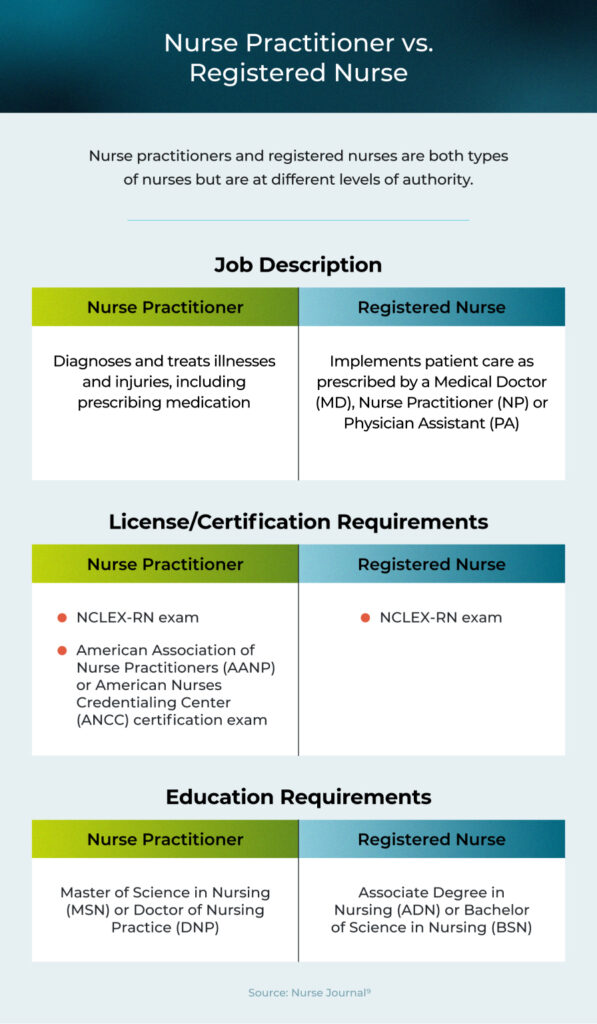
To become a Family Nurse Practitioner, aspiring candidates must first complete a Bachelor of Science in Nursing (BSN) degree. This foundational education is critical for understanding the complexities of patient care. Following the BSN, candidates pursue a Master of Science in Nursing (MSN) or a Doctor of Nursing Practice (DNP) with a focus on family practice. Programs typically cover:
- Advanced pharmacology
- Pathophysiology
- Health assessment
These courses equip nurses with the necessary skills to operate independently and make informed clinical decisions.
Clinical Experience
Gaining hands-on experience is essential for FNPs. Most programs require clinical rotations in various specialties, such as:
- Pediatrics
- Geriatrics
- Women’s health
This practical exposure allows FNPs to refine their skills and build confidence, preparing them to provide comprehensive family care once they enter the field.
Certification and Licensure
Certification Process
After completing their education, Family Nurse Practitioners must obtain certification to validate their skills. The certification process typically involves passing an examination, such as the Family Nurse Practitioner Certification Examination offered by organizations like the American Nurses Credentialing Center (ANCC) or the American Academy of Nurse Practitioners (AANP). Key steps include:
- Applying for the exam
- Preparing through practice tests
- Scheduling and taking the exam
Achieving certification allows FNPs to showcase their expertise, enhancing their credibility in the healthcare field.
State Licensing Requirements
Once certified, FNPs must secure state licensure to practice legally. Each state has its own requirements, which may include:
- Submitting proof of education and certification
- Completing a criminal background check
- Paying a licensing fee
It’s crucial for FNPs to stay informed about their specific state’s licensing regulations to ensure compliance and begin their rewarding careers.
Scope of Practice
Responsibilities of Family Nurse Practitioners
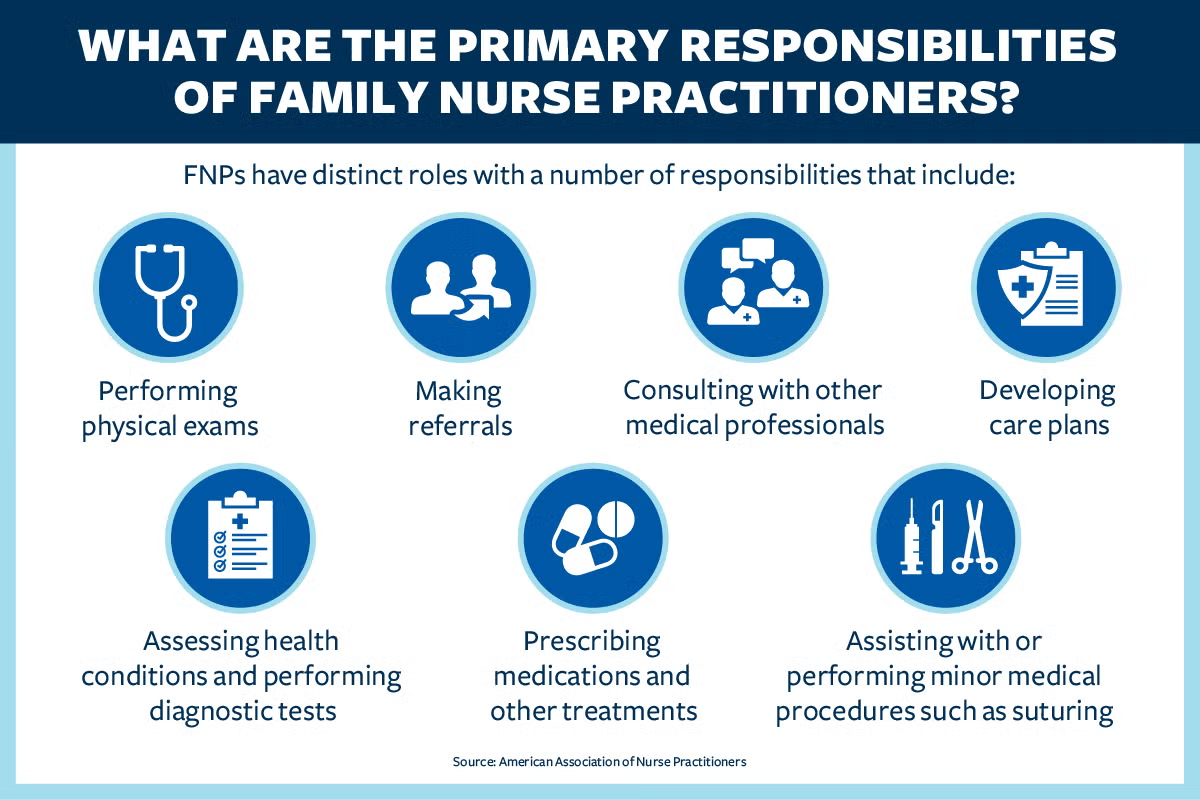
Family Nurse Practitioners have a diverse set of responsibilities that make them invaluable in healthcare settings. FNPs are authorized to:
- Conduct physical exams
- Diagnose and treat acute and chronic illnesses
- Perform routine screenings and preventive health measures
- Prescribe medications
- Educate patients on disease management
This breadth of responsibilities allows FNPs to provide comprehensive care, addressing both immediate health concerns and long-term wellness.
Collaborative Agreements
While FNPs work independently, they often enter into collaborative agreements with physicians to enhance patient care. These agreements establish guidelines for:
- Consultation on complex cases
- Referrals to specialists
- Shared responsibilities in patient management
This collaboration fosters a team-based approach, ensuring that families receive well-rounded, high-quality healthcare tailored to their needs.
Career Opportunities
Settings for Family Nurse Practitioners
Family Nurse Practitioners enjoy a variety of practice settings that cater to their skills and interests. Common environments include:
- Primary care clinics
- Hospitals
- Community health organizations
- Urgent care centers
- School health programs
These diverse settings allow FNPs to adapt their practice and make a significant impact on community health by providing accessible, quality care.
Advancement Opportunities
As FNPs gain experience, numerous advancement opportunities become available. They can transition into roles such as:
- Clinical leaders
- Educators for nursing programs
- Healthcare administrators
Additionally, FNPs can pursue specialization in areas like pediatrics or geriatrics, enhancing their expertise and expanding their career prospects within the healthcare landscape.
Salary and Job Outlook
Average Salary
Family Nurse Practitioners can expect competitive salaries that reflect their advanced education and skill set. On average, FNPs earn between $90,000 and $110,000 annually, depending on factors such as location, experience, and specific healthcare settings. For instance:
- Urban areas tend to offer higher salaries due to higher costs of living.
- Rural settings may provide incentives to attract FNPs, which can also influence earnings.
This financial stability reinforces the appeal of pursuing a career as an FNP.
Job Growth Prospects
The job outlook for Family Nurse Practitioners is promising, with a projected growth rate of 45% from 2020 to 2030, significantly higher than the average for all occupations. Factors driving this demand include:
- Aging population requiring more healthcare services.
- Increased emphasis on preventive care and chronic disease management.
These trends ensure that FNPs will continue to play a vital role in the healthcare system, providing essential services as demand increases.
Continuing Education and Specializations
Continuing Education Requirements
To maintain their certification and stay current in the ever-evolving healthcare landscape, Family Nurse Practitioners must engage in continuing education. Typically, FNPs are required to complete a minimum of 20 to 30 hours of continuing education every two years. This may include:
- Webinars and workshops
- Conference attendance
- Online courses focused on new practices or technologies
These opportunities not only enhance knowledge but also foster networking with peers in the field.
Specialization Options
FNPs can pursue various specialization options to further their careers, tailoring their practice to specific populations or health issues. Popular specializations include:
- Pediatric nursing
- Geriatric care
- Mental health
Pursuing a specialization allows FNPs to deepen their expertise, providing more targeted care and potentially leading to advanced career opportunities within the healthcare system.
Professional Organizations
Benefits of Joining
Joining a professional organization can significantly enhance a Family Nurse Practitioner’s career. Membership provides several advantages, such as:
- Networking opportunities: Connecting with fellow FNPs and healthcare professionals.
- Access to continuing education: Staying updated on the latest practices and innovations.
- Advocacy: Supporting policies that benefit healthcare access and quality.
Being part of such organizations fosters collaboration and community among healthcare providers.
Resources Available
- Research publications: Access to the latest studies and clinical practices.
- Career development tools: Job boards and mentorship programs.
- Webinars and training sessions: Opportunities to enhance skills and knowledge.
These resources are invaluable for FNPs seeking to excel in their professions and make a lasting impact on patient care.
Challenges and Rewards
Challenges in the Field
Despite the fulfilling nature of being a Family Nurse Practitioner, the role comes with its unique challenges. Some common hurdles include:
- High workload: Balancing numerous patients can lead to stress and burnout.
- Evolving healthcare regulations: Keeping up with changing laws and guidelines demands constant adaptation.
- Limited resources in certain areas: FNPs in rural settings may face challenges such as inadequate facilities or support staff.
These challenges can be daunting, but they also serve as motivators for FNPs to advocate for improved conditions in their practice.
Rewards of Being a Family Nurse Practitioner
The rewards of being an FNP often outweigh the challenges. Many practitioners find joy in:
- Making a difference: Helping patients achieve better health and improve their quality of life is deeply rewarding.
- Building long-term relationships: Developing connections with families fosters trust and satisfaction.
- Career flexibility: Opportunities for specialization and varied job settings provide room for professional growth.
These aspects contribute to a fulfilling career that not only enhances the lives of patients but also enriches the personal life of the practitioner.
Thank you for taking the time to read our latest blog post on EliteCare.net We hope you found the information valuable and insightful. Your health and well-being are our top priorities, and we strive to provide you with the best advice and resources.